

That simple definition covers a huge range of real experiences. Some couples flirt at a club and go home to each other. Some enjoy soft swap evenings with close friends. Some travel to lifestyle resorts several times a year. What unites them is honesty, consent and a shared decision to explore.
A brief history
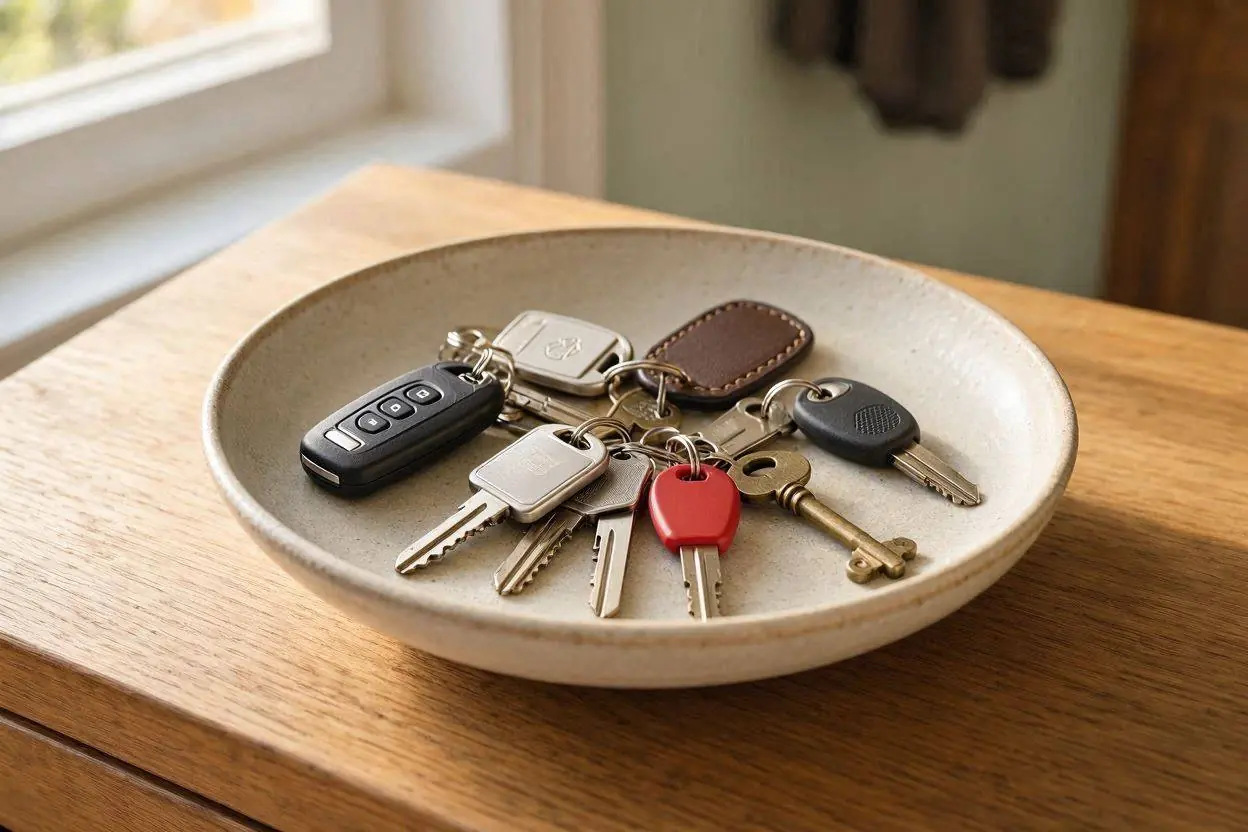
Swinging as a recognised scene grew in the United States after the Second World War, with stories of "key parties" among military families, although historians debate how common those really were. By the 1960s and 1970s, swingers clubs, magazines and conventions had appeared in North America and Europe. Classified adverts in specialist magazines helped couples find each other discreetly. The internet transformed the scene from the late 1990s onwards, making it far easier to connect, and today couples meet through websites, apps, clubs, socials and lifestyle travel.
What do swinger couples actually do?
It varies enormously, and that is the point: each couple decides for itself. Common activities include:

- Socialising. Drinks, dinners and parties with other lifestyle couples, often with no physical element at all.
- Flirting and kissing. Many couples enjoy the thrill of flirting openly with others.
- Soft swap. Kissing, touching and oral with other people, keeping penetration for your partner alone.
- Full swap. Full intercourse with others, by agreement.
- Same-room play. Couples stay in the same room, with or without swapping.
- Separate-room play. Partners play with others in different rooms, which requires high trust.
- Threesomes and group play. With a single person or several couples.
Our guide to swap levels explains these levels in more detail.
What is swinging called now?
"Swinging" remains the most widely used word, but you will also hear:
- The lifestyle or LS, the term many swingers prefer.
- ENM (ethical non-monogamy) or CNM (consensual non-monogamy), broader umbrellas that include swinging, polyamory and open relationships.
- Open-minded couples, common on dating profiles.
Some younger people describe similar arrangements simply as an open relationship. The labels matter less than the agreement between partners. See our glossary of lifestyle terms.
How swinging differs from other arrangements
Polyamory involves multiple loving relationships, often with emotional commitment to more than one person. Swinging is usually recreational and keeps romantic commitment within the couple.
Open relationships can mean many things; often partners date or have sex independently. Swinging is usually done together, or at least as a shared activity.
Cheating involves deception. Swinging depends on honesty and agreement.
Who swings?
Swingers come from every background, profession, age and orientation. Many are married; many are long-term partners. Plenty of couples start in their thirties, forties or fifties, often once careers and families have settled. Women frequently lead the decision to explore, contrary to the stereotype that it is always the man's idea. Single women and single men also take part, usually by meeting couples. See single women and our guide for single men.
How many people swing?
There is no reliable figure. Surveys vary widely and depend on how questions are asked. What is clear is that the lifestyle exists in every major city in the countries we cover, with clubs, socials, online communities and lifestyle travel serving it.

Why couples swing
Couples give many reasons:
- Shared adventure and excitement.
- Honesty about attraction to other people.
- Better communication that benefits the whole relationship.
- Friendship and community with like-minded people.
- Variety without deception.
For a balanced view of upsides and downsides, see does swinging help relationships.
The core principles
Swinging works best when couples hold to a few principles.
Consent. Everyone involved agrees, clearly and enthusiastically, every time. Anyone can stop at any point.
Communication. Partners talk openly before, during and after experiences.
Agreements. Limits are set in advance and not changed in the heat of the moment. See ground rules.
Respect. For your partner, for the people you meet and for anyone who says no.
Discretion. Privacy is shared and protected.
Safety. Verification, safer sex and sensible first meetings.
How couples get started
Most couples begin with conversation. One partner raises the idea, often tentatively, and the couple talks about it over weeks or months. Read talking it through if you are at that stage. Next steps often include reading guides together, creating a couple profile on a swinger site, chatting with other couples and arranging a relaxed first drink. Some couples visit a club social to watch and talk. See first steps for a step-by-step guide.
Common myths
"Swingers have unhappy marriages." Many swingers report strong relationships; the lifestyle tends to suit couples who communicate well.
"It is all about sex." Friendship, socialising and fun are big parts of it.
"Anything goes at a swingers party." Clubs and parties have clear rules about consent and behaviour.
"Only young, beautiful people swing." Swingers come in every age, shape and size.
Where swingers meet
Today couples find each other in several ways, often combining them:
- Swinger dating sites such as Swinging Lifestyle, where couples and singles create profiles and talk privately.
- Broad apps for open-minded people, popular with younger couples.
- Clubs, from city venues to private members' houses, with social areas and separate play spaces.
- Socials and meet and greets, informal drinks events in bars.
- Lifestyle travel, including adults-only resorts, takeovers and cruises.
- Friends of friends, as couples introduce each other within local scenes.
Our locations hub explains how scenes tend to work in cities across seven countries.
The swinging lifestyle around the world
Swinging exists far beyond North America. The United Kingdom has a long tradition of clubs and house parties. Australia, New Zealand and South Africa have active scenes in their major cities. Continental Europe, particularly France, Germany, the Netherlands and Spain, is known for large, well-run clubs. Customs differ slightly from country to country, but the core principles of consent, discretion and respect are universal.
Is swinging right for you?
Only you and your partner can answer that. Couples who thrive tend to be secure, curious, communicative and genuinely aligned. If you are curious, the safest way to find out is gradually: talk, read, browse profiles together, meet a couple for a drink, and see how you both feel at each stage. There is no obligation to go further than feels right, and stopping at any point is always an option.
Frequently asked questions
What is swinging?
Swinging is a form of consensual non-monogamy where committed couples choose to have recreational experiences with other couples or singles, by agreement and usually together.
What do couples do when they swing?
It ranges from flirting and socials through soft and full swap, together or apart, to threesomes. Each couple sets its own limits.
What is swinging called now?
Many people call it the lifestyle, or LS. Broader terms include ethical non-monogamy (ENM) and consensual non-monogamy (CNM).
Is swinging the same as polyamory?
No. Swinging is usually recreational with romantic commitment kept within the couple, while polyamory involves multiple loving relationships.
How do couples start swinging?
Most begin with honest conversations, read guides together, create a couple profile, chat with other couples and arrange a relaxed first meeting with no expectations.